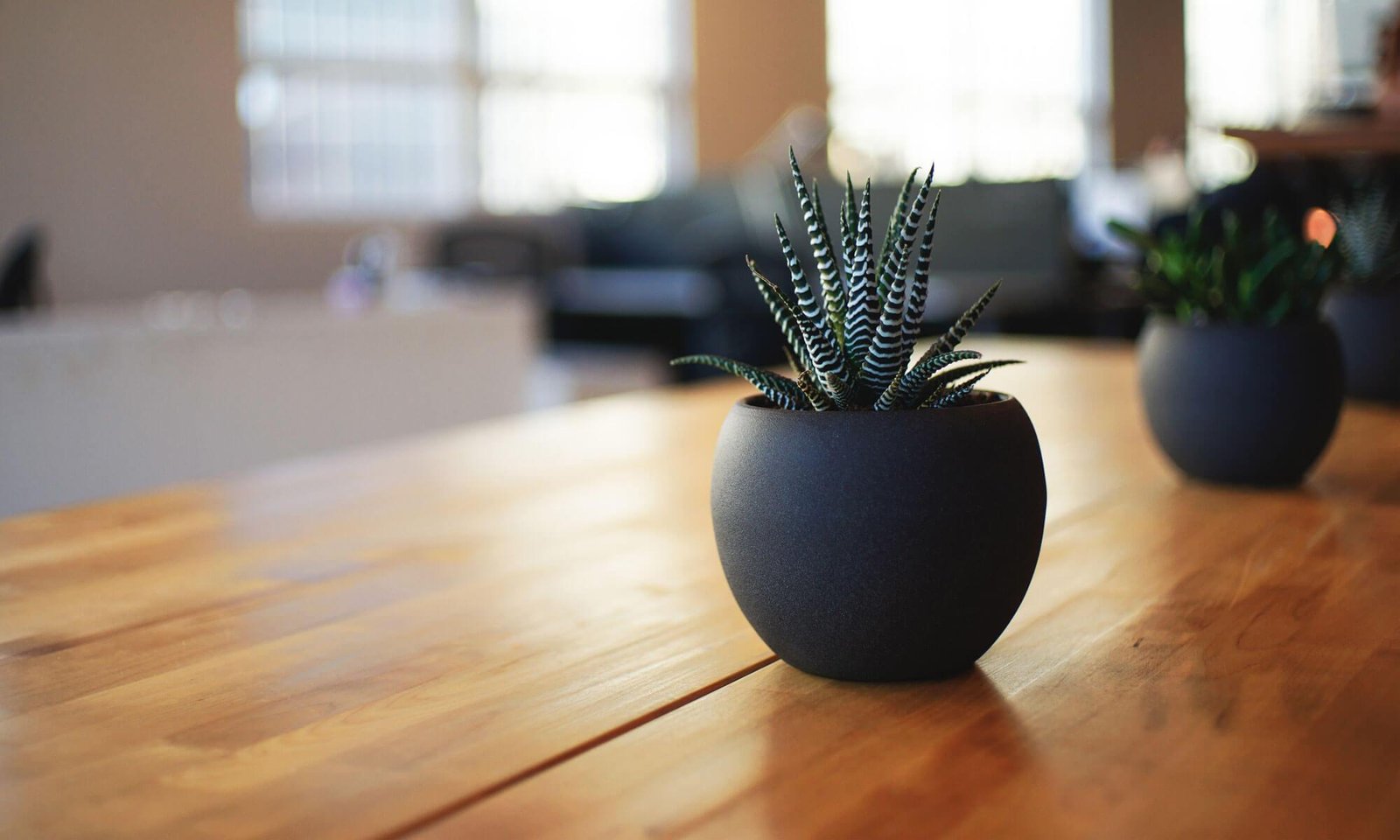
- Vibrant living spaces and britsinos.co.uk inspire modern homeowner creativity effortlessly
- The Evolution of Home Aesthetics and Personalization
- The Rise of Minimalist and Biophilic Design
- Curated Collections and the Power of Visual Inspiration
- The Role of Social Media in Home Decorating
- Sustainability and Ethical Considerations in Home Decor
- Sourcing Sustainable Materials: A Guide
- The Future of Home Design: Technology and Personalization
- Expanding the Boundaries: Homes as Holistic Ecosystems
Vibrant living spaces and britsinos.co.uk inspire modern homeowner creativity effortlessly
Creating a home that reflects your personality and lifestyle is a deeply personal endeavor. The desire for unique and inspiring living spaces is ever-present, and homeowners are constantly seeking ways to elevate their surroundings. Fortunately, a wealth of resources exist to aid in this process, offering ideas, products, and services tailored to modern tastes. Many find inspiration online, browsing design blogs, social media platforms, and dedicated online marketplaces. One such resource gaining traction amongst those seeking to define their interior aesthetic is
The modern homeowner isn’t simply looking to fill a house; they’re aiming to cultivate a home – a sanctuary that fosters well-being and reflects their individual story. This involves careful consideration of everything from colour palettes and furniture selection to lighting and accessories. Trends in interior design are constantly evolving, with a growing emphasis on sustainability, minimalism, and the integration of natural elements. Finding a source that provides curated collections and expert guidance can be incredibly valuable in navigating these trends and creating a cohesive and harmonious living environment. The key is finding what resonates with you and creating a space that you genuinely love britsinos.co.uk to inhabit.
The Evolution of Home Aesthetics and Personalization
The concept of home has undergone a significant transformation in recent decades. Traditionally, homes were primarily viewed as functional shelters. Today, they are considered extensions of our identities, spaces that should cater to our emotional and practical needs. This shift is largely driven by a growing awareness of the impact our surroundings have on our mental and physical health. People are investing more time and resources in creating environments that promote relaxation, creativity, and overall well-being. This involves a move away from standardized, mass-produced décor towards more unique and personalized options. The desire for authenticity and individuality is paramount, leading homeowners to seek out pieces that tell a story and reflect their personal values. This is where platforms offering diverse and carefully selected products, such as those found through digital spaces, can become invaluable resources.
The Rise of Minimalist and Biophilic Design
Two prominent trends currently shaping home aesthetics are minimalism and biophilic design. Minimalism focuses on reducing clutter and emphasizing functionality and clean lines. It's about creating a sense of calm and order through intentionality. Biophilic design, on the other hand, centers around incorporating natural elements into the home, such as plants, natural light, and natural materials. These two trends often complement each other, resulting in spaces that are both aesthetically pleasing and conducive to well-being. The integration of natural textures like wood and stone, along with ample use of plants, can create a sense of connection to the outdoors, which has been shown to reduce stress and improve mood. Embracing these concepts can transform a house into a genuine haven.
| Design Style | Key Features | Material Preferences |
|---|---|---|
| Minimalism | Clean lines, functionality, decluttered spaces | Neutral colours, wood, metal, glass |
| Biophilic Design | Natural light, plants, organic shapes | Wood, stone, bamboo, natural fibres |
| Bohemian | Eclectic mix of patterns, textures, and colours | Rattan, macrame, vintage finds |
| Modern Farmhouse | Rustic charm with contemporary elements | Reclaimed wood, shiplap, neutral palettes |
The table above illustrates some of the distinguishing characteristics of common home design styles. Understanding these styles can provide a starting point for defining your own aesthetic and making informed decisions about your home décor. Ultimately, the best design is one that reflects your personal preferences and creates a space where you feel comfortable and inspired. Resources offering a wide selection of styles, easily accessible through online browsing, can greatly assist homeowners in this process.
Curated Collections and the Power of Visual Inspiration
One of the key benefits of online platforms, and particularly those like britsinos.co.uk, is the ability to curate collections of products based on specific themes or styles. This simplifies the decorating process by presenting homeowners with a cohesive range of options that complement each other. Rather than having to sift through countless individual items, users can browse pre-selected collections that align with their aesthetic preferences. This saves time and effort, and it also reduces the risk of making purchasing decisions that don't work well together. Visual inspiration also plays a huge role in the home decorating process. High-quality photographs and videos showcasing different design schemes can spark creativity and provide a clear vision for how to transform a space. Effective platforms will leverage both curation and visual presentation to inspire and guide their users.
The Role of Social Media in Home Decorating
Social media platforms like Instagram and Pinterest have become incredibly influential in the realm of home décor. These platforms provide a constant stream of visual inspiration, allowing users to discover new trends, explore different styles, and connect with other design enthusiasts. Influencers and bloggers often showcase their own homes and share tips and advice, further fueling the trend towards personalization and self-expression. However, it’s crucial to approach social media inspiration with a critical eye. Not everything you see online is realistic or achievable, and it’s important to focus on creating a space that truly reflects your own taste and lifestyle, rather than simply copying someone else's design. Looking at how others express themselves can be a starting point, but ultimately, the aim should be to create something unique and personal.
- Consider your lifestyle: How do you use your home?
- Define your color palette: Choose colors that evoke the mood you want to create.
- Invest in quality pieces: Focus on a few well-made items that will last.
- Don't be afraid to mix and match: Combine different styles and textures.
- Add personal touches: Display items that have sentimental value.
By keeping these points in mind, homeowners can leverage the power of social media and other online resources to create a home that is both stylish and functional. A thoughtful approach, combined with access to curated collections and inspiring visuals, can lead to a truly satisfying and personalized outcome.
Sustainability and Ethical Considerations in Home Decor
Increasingly, homeowners are prioritizing sustainability and ethical considerations when making purchasing decisions for their homes. This reflects a growing awareness of the environmental and social impact of consumerism. There’s a demand for products made from sustainable materials, produced in ethical factories, and designed to last. This trend is driving innovation in the home décor industry, with manufacturers developing new materials and processes that minimize environmental impact. Consumers are also seeking out vintage and antique pieces, which offer a sustainable alternative to buying new. Furthermore, the emphasis on quality over quantity aligns with this ethical approach, reducing the need for frequent replacements and minimizing waste. The desire to create a beautiful and comfortable home is no longer at odds with the desire to protect the planet.
Sourcing Sustainable Materials: A Guide
When selecting materials for your home, consider options such as bamboo, reclaimed wood, organic cotton, and recycled glass. Bamboo is a rapidly renewable resource that grows quickly and requires minimal water and pesticides. Reclaimed wood gives new life to materials that would otherwise end up in landfills, and it adds character and history to your home. Organic cotton is grown without harmful chemicals, making it a healthier and more environmentally friendly choice. Recycled glass reduces the demand for virgin materials and minimizes waste. Looking for certifications such as Fair Trade and Forest Stewardship Council (FSC) can help ensure that the products you choose meet certain ethical and environmental standards. Making informed choices about the materials you use is a powerful way to contribute to a more sustainable future.
- Research materials: Understand the environmental impact of different options.
- Look for certifications: Fair Trade, FSC, and others ensure ethical sourcing.
- Choose durable products: Invest in items that will last for years.
- Consider vintage and antique finds: Give new life to pre-loved items.
- Support local artisans: Reduce transportation costs and support your community.
By following these steps, homeowners can create a beautiful and sustainable home that reflects their values. The growing availability of ethically sourced and environmentally friendly products makes it easier than ever to make responsible choices. This trend is not just about minimizing harm; it’s about actively contributing to a healthier planet.
The Future of Home Design: Technology and Personalization
The future of home design is likely to be shaped by two key forces: technology and personalization. Smart home technology is already transforming the way we interact with our living spaces, offering greater convenience, efficiency, and control. From automated lighting and temperature control to voice-activated assistants and security systems, technology is seamlessly integrating into our homes. This trend is likely to accelerate in the coming years, with new innovations constantly emerging. At the same time, the demand for personalization will continue to grow. Homeowners will increasingly seek out design solutions that are tailored to their specific needs and preferences. This will involve leveraging data and analytics to understand individual lifestyle patterns and create spaces that are optimized for comfort, productivity, and well-being. The blending of technology and personalization will unlock new possibilities for creating truly immersive and responsive living environments.
The role of online platforms, such as britsinos.co.uk, will become even more crucial in this evolving landscape. These platforms will serve as hubs for connecting homeowners with designers, manufacturers, and technology providers, offering a seamless and integrated experience. The ability to visualize designs in 3D, experiment with different configurations, and receive personalized recommendations will empower homeowners to make informed decisions and create spaces that truly reflect their vision. The utilization of augmented reality (AR) will allow buyers to place furniture digitally in their rooms before purchasing, offering valuable insights into scale and alignment. The future of home design is about creating spaces that are not only beautiful and functional but also intelligent and responsive.
Expanding the Boundaries: Homes as Holistic Ecosystems
The concept of a home is expanding beyond the purely physical structure to encompass a holistic ecosystem of well-being. This includes not just the aesthetic appeal and functionality of the space, but also its impact on our health, productivity, and social connections. We are beginning to view our homes as extensions of ourselves, spaces that should nurture our minds, bodies, and spirits. This holistic approach is driving demand for features such as improved air quality, natural light, and biophilic design elements. It also emphasizes the importance of creating spaces that facilitate social interaction and connection with nature. The modern home is becoming a sanctuary, a place where we can recharge, reconnect, and thrive. Exploring options closer to nature, utilizing smart technology for efficiency, and incorporating personal narratives into the décor are all facets of this shift.
Consider the example of a homeowner incorporating a dedicated meditation space into their home design. This is not simply about adding a quiet corner; it’s about creating a space that is intentionally designed to promote mindfulness and relaxation. This might involve using calming colors, incorporating natural materials, and minimizing distractions. Similarly, a homeowner might invest in air purification technology to improve indoor air quality, or they might create a home garden to connect with nature and grow their own food. These are all examples of how homeowners are proactively creating living environments that support their overall well-being. The trend towards holistic home design reflects a deeper understanding of the interconnectedness between our physical surroundings and our mental and emotional health.