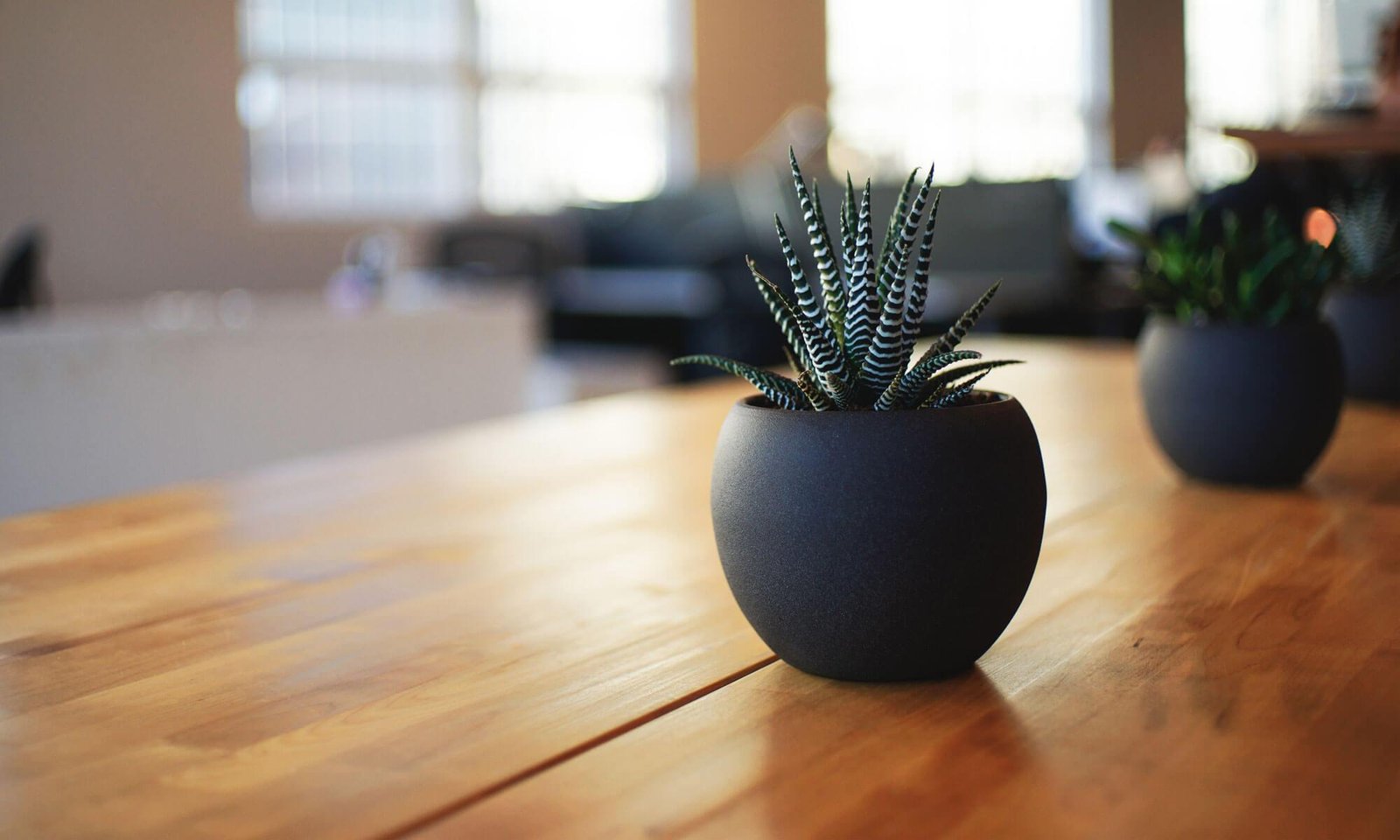
- Ceramic evolution from tradition to modern artistry with https://casoolas.ca pieces
- The Historical Roots of Ceramic Art
- The Development of Glazing Techniques
- Contemporary Ceramic Art: A Fusion of Tradition and Innovation
- Exploring New Materials and Techniques
- Functional Ceramics: Beauty in Everyday Use
- The Importance of Durability and Food Safety
- The Role of Ceramics in Environmental Sustainability
- Beyond the Wheel: Ceramic Art as a Medium for Social Commentary
Ceramic evolution from tradition to modern artistry with https://casoolas.ca pieces
The world of ceramics is a captivating journey through time, tradition, and artistic expression. From utilitarian objects crafted for daily life to breathtaking sculptures gracing museums, ceramic art holds a unique place in human culture. Contemporary artisans are continually pushing the boundaries of this ancient craft, blending traditional techniques with innovative designs and materials. This exploration leads us to the compelling work found at https://casoolas.ca, a platform showcasing a remarkable collection of ceramic pieces that embody this very evolution.
The appeal of ceramics lies in its tangible connection to the earth. Clay, a simple natural material, is transformed through fire and skill into objects of lasting beauty and function. The process itself demands patience, precision, and a deep understanding of the materials involved. Today, we see a resurgence of interest in handcrafted goods, and ceramics are at the forefront of this movement, offering a welcome contrast to the mass-produced items that dominate our modern world. The pieces available represent a dedication to quality and a celebration of artistic vision.
The Historical Roots of Ceramic Art
Ceramic artistry boasts a rich history, stretching back millennia. The earliest known ceramic artefacts date back tens of thousands of years, unearthed in archaeological sites across the globe. These initial creations were primarily functional – vessels for storage, cooking, and transportation. However, even in these early forms, evidence of decorative elements suggests an innate human desire for aesthetic expression. Ancient civilizations like those in Mesopotamia, Egypt, and China developed increasingly sophisticated ceramic techniques. They experimented with different types of clay, explored glazing methods, and refined their skills in forming and firing.
The influence of these ancient traditions can still be seen in contemporary ceramic art today. Potters continue to draw inspiration from historical forms and decorative motifs. Understanding the historical context of ceramics provides a deeper appreciation for the artistry and skill involved in creating these objects. For instance, the development of porcelain in China, a notoriously difficult material to master, had a profound impact on ceramic production worldwide. The Silk Road facilitated the exchange of ceramic technologies and designs, fostering cross-cultural influences that continue to shape the field.
The Development of Glazing Techniques
Glazing, the process of applying a vitreous coating to ceramic surfaces, has been crucial to the evolution of ceramic art. Initially, glazes were utilitarian, serving to make vessels waterproof and more durable. However, over time, glazes also became a means of artistic expression. Different mineral compositions and firing temperatures result in a vast array of glaze colors and textures, allowing artists to create visually stunning effects. The development of lead glazes in medieval Europe, for example, enabled the creation of vibrant, richly colored pottery that was highly prized.
Modern advancements in glaze chemistry have expanded the possibilities even further. Artists can now create glazes with unique optical properties, such as iridescence or metallic sheens. They also experiment with alternative firing techniques, such as raku, which produces unpredictable and dramatic glaze effects. The mastery of glazing is a hallmark of skilled ceramic artists, demonstrating their understanding of both the scientific and artistic aspects of the craft.
| Glaze Type | Characteristics |
|---|---|
| Earthenware Glaze | Typically opaque, lower firing temperature, often used for decorative purposes. |
| Stoneware Glaze | More durable than earthenware glaze, higher firing temperature, suitable for functional pieces. |
| Porcelain Glaze | Translucent, very high firing temperature, prized for its delicate beauty and strength. |
| Raku Glaze | Unique, unpredictable effects achieved through rapid heating and cooling. |
The interplay between form and glaze is a key element in the artistic success of a ceramic piece. The surface treatment should complement the shape and function of the object, enhancing its overall aesthetic appeal.
Contemporary Ceramic Art: A Fusion of Tradition and Innovation
Today’s ceramic art scene is incredibly diverse, encompassing a wide range of styles, techniques, and approaches. While many artists continue to honor traditional methods, others are embracing new technologies and pushing the boundaries of what is possible with clay. Digital design tools, 3D printing, and innovative firing techniques are opening up exciting new avenues for ceramic expression. This fusion of tradition and innovation is what makes contemporary ceramic art so dynamic and engaging. Across the spectrum, the skill and dedication to the craft remain consistent, resulting in remarkable pieces.
The rise of studio pottery in the 20th century played a significant role in shaping the contemporary ceramic landscape. Studio potters sought to create functional and aesthetically pleasing objects that were also expressions of their individual artistic vision. This movement challenged the dominance of industrial production and emphasized the importance of craftsmanship. The pieces showcased at https://casoolas.ca often reflect this ethos, embodying a commitment to both form and function. It’s about bringing art into everyday life.
Exploring New Materials and Techniques
Contemporary ceramic artists are constantly experimenting with new materials and techniques. They are incorporating alternative clay bodies, such as porcelain mixed with other materials, to achieve unique textures and colors. Players are also utilizing new firing techniques, such as atmospheric firing, which involves controlling the oxygen levels in the kiln to create specific glaze effects. These innovative approaches allow artists to create works that are truly one-of-a-kind. The exploration extends beyond the clay itself.
Furthermore, artists are increasingly incorporating found objects and mixed media into their ceramic creations. This blurring of boundaries between ceramic art and other artistic disciplines adds another layer of complexity and intrigue. The result is a diverse and dynamic field that continues to evolve and surprise. Many artists are also taking inspiration from natural forms and patterns, creating ceramic pieces that celebrate the beauty of the natural world.
- Wheel throwing remains a foundational skill for many ceramic artists.
- Hand-building techniques, such as coiling, pinching, and slab construction, offer greater freedom in form.
- Sculpting allows for the creation of detailed and expressive ceramic artworks.
- Glaze experimentation is crucial for achieving unique and visually appealing surfaces.
Each of these techniques, often combined, allows artists to express their unique vision and create truly captivating works of art. The quality of the pieces demonstrates a profound understanding of these skills.
Functional Ceramics: Beauty in Everyday Use
While ceramic art encompasses a wide range of forms, functional ceramics – tableware, cookware, and decorative items for the home – remain incredibly popular. There’s something deeply satisfying about using a handmade mug or bowl, knowing that it was created with care and skill. Functional ceramics bring a sense of warmth and authenticity to everyday life. The inherent tactility of ceramic materials makes them particularly well-suited for objects that we interact with on a daily basis. Often, these pieces are more durable and bring a unique aesthetic compared to mass-produced alternatives.
The design of functional ceramics is often informed by a deep understanding of ergonomics and usability. A well-designed mug, for example, should feel comfortable in the hand and have a lip that is easy to drink from. The form should also complement the function, enhancing the overall user experience. The pieces available at https://casoolas.ca demonstrate this careful attention to both form and function.
The Importance of Durability and Food Safety
When it comes to functional ceramics, durability and food safety are paramount. The clay body and glaze must be able to withstand repeated use and washing without cracking or chipping. The glaze must also be non-toxic and lead-free, ensuring that it doesn't leach harmful chemicals into food or beverages. Reputable ceramic artists prioritize these considerations, using high-quality materials and following strict safety protocols. This dedication to quality ensures that their pieces are not only beautiful but also safe and functional for everyday use.
Choosing handmade ceramics over mass-produced alternatives supports sustainable practices and helps to preserve traditional craftsmanship. By investing in locally made, handcrafted items, you're contributing to a more ethical and environmentally responsible economy.
- Select pieces made with high-quality, non-toxic materials.
- Ensure the glaze is lead-free and food-safe.
- Check for any cracks or chips before purchasing.
- Follow the artist’s care instructions to prolong the life of your ceramics.
Proper care and maintenance will help to ensure that your ceramic pieces remain beautiful and functional for years to come.
The Role of Ceramics in Environmental Sustainability
In an era of increasing environmental awareness, the sustainability of materials and production processes is becoming increasingly important. Ceramics, by their very nature, can be a relatively sustainable art form. Clay is a natural, abundant resource, and ceramic objects can be incredibly durable, lasting for generations. Unlike plastic or other synthetic materials, ceramics won’t contribute to landfill waste. The use of renewable energy sources in the firing process and the recycling of clay scraps can further minimize the environmental impact of ceramic production.
Many contemporary ceramic artists are actively exploring sustainable practices, incorporating recycled materials into their work and reducing their reliance on harmful chemicals. They are also promoting local sourcing and craftsmanship, minimizing the carbon footprint associated with transportation. Supporting these artists and choosing handmade ceramics over mass-produced alternatives is a meaningful way to contribute to a more sustainable future.
Beyond the Wheel: Ceramic Art as a Medium for Social Commentary
Ceramic art is not simply about creating beautiful objects; it can also be a powerful medium for social commentary. Artists are using clay to address a wide range of contemporary issues, from environmental concerns to political injustice. The tactile and visceral nature of ceramic materials lends itself well to expressing complex emotions and challenging societal norms. By imbuing their work with meaning and purpose, these artists are transforming ceramics into a vehicle for dialogue and change. The enduring quality of the material itself also suggests a permanence to the message, a lasting element that commands attention.
The ability to connect with audiences on a sensory and emotional level makes ceramic art a particularly effective tool for social advocacy. A thoughtfully crafted ceramic sculpture or installation can provoke thought, raise awareness, and inspire action. The future of ceramic art as a platform for important conversations promises to be vibrant and impactful.