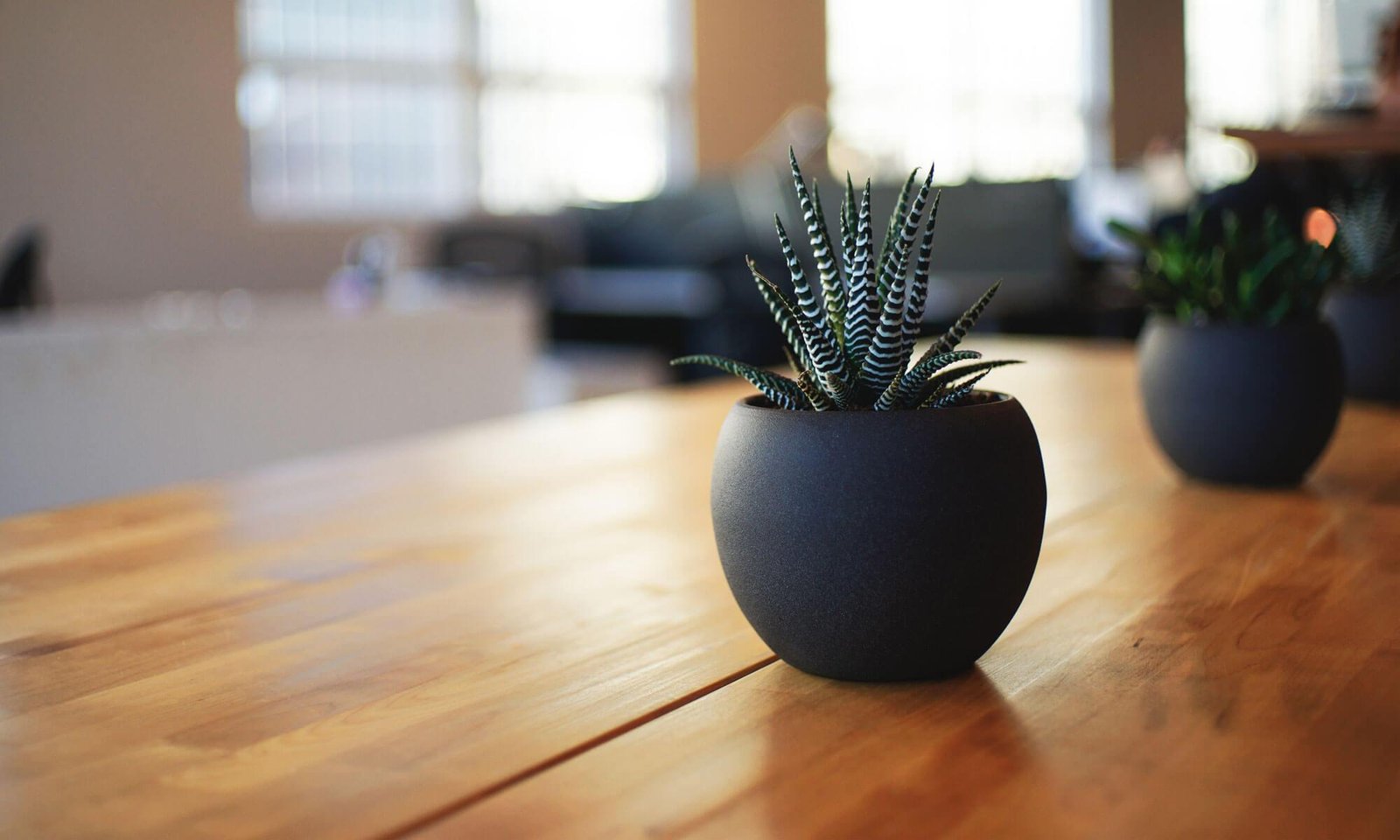
- Exceptional comfort delivered with https://spin-pin.uk and versatile home design options
- Understanding the Importance of Versatile Home Design
- The Role of Multifunctional Furniture
- Creating a Cohesive Aesthetic
- The Power of Color and Texture
- The Importance of Lighting
- Choosing the Right Light Fixtures
- Maximizing Space in Smaller Homes
- Exploring Current Homeware Trends
- Integrating Smart Home Technology for Enhanced Living
Exceptional comfort delivered with https://spin-pin.uk and versatile home design options
Creating a comfortable and aesthetically pleasing home environment is a goal for many, and finding the right resources to achieve this can be a challenge. Fortunately, companies like https://spin-pin.uk offer a curated selection of homeware and design inspiration, designed to elevate everyday living. The focus is on providing not just products, but solutions that simplify the process of transforming a house into a home – one that reflects individual style and provides lasting comfort. They aim to deliver quality and versatility to suit a range of tastes and budgets, offering a comprehensive approach to interior design.
In today's fast-paced world, people value convenience and efficiency. They're looking for ways to streamline their lives and create spaces that are both functional and beautiful. This demand has led to a growing interest in adaptable and multi-purpose furniture and decor. The modern homeowner often seeks items that can seamlessly transition between different roles, maximizing space and minimizing clutter. This shift towards flexible design necessitates access to a diverse range of options, making platforms like Spin Pin invaluable for exploration and discovery.
Understanding the Importance of Versatile Home Design
Versatile home design isn’t simply about selecting furniture that looks good; it’s about thoughtfully choosing pieces that can adapt to changing needs and lifestyles. A dining table that transforms into a workstation, a sofa that converts into a bed, or storage ottomans that offer both seating and organization – these are all examples of how designers are embracing adaptability. This approach is particularly important for those living in smaller spaces, where maximizing functionality is crucial. It also speaks to a growing awareness of sustainability, encouraging consumers to purchase fewer, higher-quality items that will last longer and serve multiple purposes. The concept extends beyond individual furniture pieces to encompass the overall layout and flow of a room, prioritizing open-plan living and flexible zoning.
The Role of Multifunctional Furniture
Multifunctional furniture has become a cornerstone of modern interior design, driven by the need for space-saving solutions and adaptable living arrangements. Items designed with dual purposes, such as sofa beds, storage benches, and folding desks, are increasingly popular. These pieces allow homeowners to optimize their living areas, making them suitable for a variety of activities. The key is to carefully select pieces that are both aesthetically pleasing and functionally effective. For instance, a well-designed coffee table with hidden storage can help keep a living room tidy, while a stylish ottoman can serve as both a footrest and a convenient place to store blankets or books. Investing in these type of pieces can provide substantial benefit.
| Furniture Type | Multifunctional Feature | Typical Use Cases |
|---|---|---|
| Sofa Bed | Converts from sofa to bed | Guest room alternative, small apartments |
| Storage Ottoman | Hidden storage compartment | Living room, bedroom, entryway |
| Folding Desk | Folds away when not in use | Home office, small spaces |
| Dining Table with Extension | Adjustable size to accommodate guests | Everyday dining, entertaining |
The careful selection of multifunctional furniture requires a thoughtful consideration of one's lifestyle and space constraints. It’s about prioritizing functionality without sacrificing style, creating a living environment that is both practical and beautiful.
Creating a Cohesive Aesthetic
Once you’ve considered the functional aspects of your design, it’s time to focus on aesthetics. A cohesive aesthetic is essential for creating a harmonious and inviting home. This doesn't necessarily mean adhering to a strict style, but rather finding a common thread that ties all the elements of a room together – color palettes, textures, materials, and patterns. The overarching theme should reflect your personal taste and create a mood that is both relaxing and inspiring. Consider how lighting impacts the overall aesthetic. Natural light should be maximized, while artificial lighting should be layered to create depth and ambiance. These considerations will reflect a well-considered, inviting, and balanced space.
The Power of Color and Texture
Color and texture play a crucial role in shaping the atmosphere of a room. A neutral color palette can create a sense of calm and serenity, while bolder hues can add energy and vibrancy. Texture adds depth and visual interest, making a space feel more inviting and tactile. Mixing different textures – such as smooth silk, rough linen, and plush velvet – can create a dynamic and sophisticated look. When choosing colors and textures, it’s important to consider the existing features of the room, such as flooring and wall color, and to create a harmonious balance. The use of complementary colors can create a striking contrast, while analogous colors can evoke a more subtle and soothing effect. It's often beneficial to gather fabric samples and paint swatches to visualize how they will work together in the space.
- Consider a neutral base with pops of color.
- Layer textures for added dimension.
- Use color psychology to influence mood.
- Don't be afraid to experiment with patterns.
- Pay attention to the undertones of colors.
Achieving a cohesive aesthetic requires careful planning and attention to detail. It’s about creating a space that feels both visually appealing and emotionally resonant, reflecting your personality and enhancing your quality of life.
The Importance of Lighting
Lighting is often an overlooked aspect of home design, yet it has a profound impact on the overall mood and functionality of a space. Proper lighting can enhance architectural features, highlight artwork, and create a warm and inviting atmosphere. There are three main types of lighting to consider: ambient, task, and accent. Ambient lighting provides overall illumination, task lighting focuses on specific areas for activities like reading or cooking, and accent lighting adds visual interest by highlighting particular objects or features. Layering these different types of lighting is key to creating a well-lit and versatile space. Dimmer switches are also a valuable addition, allowing you to adjust the intensity of the light to suit different moods and activities.
Choosing the Right Light Fixtures
Selecting the right light fixtures is crucial for achieving the desired aesthetic and functionality. There's a vast array of options available, from chandeliers and pendant lights to table lamps and floor lamps. Consider the style of your room and choose fixtures that complement the overall design. The size and scale of the fixture should also be appropriate for the space. For example, a large chandelier might be suitable for a spacious dining room, but it would overwhelm a small bedroom. Also consider the type of light bulb you use. LED bulbs are energy-efficient and long-lasting, while incandescent bulbs provide a warmer, more traditional glow. Smart lighting systems offer even more control, allowing you to adjust brightness, color temperature, and even control lights remotely.
- Determine the type of lighting needed for each space.
- Choose fixtures that complement the room's style.
- Consider the size and scale of the fixtures.
- Select energy-efficient light bulbs.
- Explore smart lighting options.
Investing in quality lighting fixtures and a well-designed lighting scheme is one of the most impactful things you can do to enhance your home’s atmosphere and livability.
Maximizing Space in Smaller Homes
For those living in smaller homes or apartments, maximizing space is a top priority. Every square inch counts, so it's essential to be strategic about how you use it. Utilizing vertical space is one of the most effective ways to create the illusion of more room. Tall bookshelves, floating shelves, and wall-mounted storage can all help to maximize storage capacity without taking up valuable floor space. Another key strategy is to choose furniture that is appropriately scaled for the space. Oversized furniture can quickly overwhelm a small room, making it feel cramped and claustrophobic. Opt for smaller, more streamlined pieces that are designed to fit comfortably within the available space. The artful use of mirrors can also help to make a room feel larger and brighter by reflecting light and creating a sense of depth.
Exploring Current Homeware Trends
Staying abreast of current homeware trends can inspire new ideas and help you keep your home looking fresh and stylish. Currently, there's a strong emphasis on natural materials, sustainable practices, and biophilic design – incorporating elements of nature into the interior. This translates into a growing popularity of wooden furniture, woven textiles, and indoor plants. Another prominent trend is the use of earthy tones and muted colors, creating a sense of calm and tranquility. Geometric patterns and sculptural forms are also gaining traction, adding visual interest and contemporary flair. Looking to outlets like https://spin-pin.uk can provide exposure to a carefully curated collection of products reflecting these trends, simplifying the process of staying current with interior design advancements and options.
Integrating Smart Home Technology for Enhanced Living
Smart home technology is rapidly transforming the way we live, offering convenience, efficiency, and enhanced security. From smart lighting and thermostats to voice-activated assistants and automated blinds, there are countless ways to integrate technology into your home. Smart lighting systems not only offer energy savings but also allow you to create customized lighting scenes for different activities and moods. Smart thermostats learn your preferences and adjust the temperature automatically, saving you money on energy bills. Voice-activated assistants, such as Amazon Alexa or Google Home, can control various devices throughout your home with simple voice commands. These advancements aren’t merely additions; they represent a fundamental shift in how we interact with our living spaces, promoting comfort and ease of use. The customization and control they offer allow homeowners to tailor their environments to perfectly match their needs.