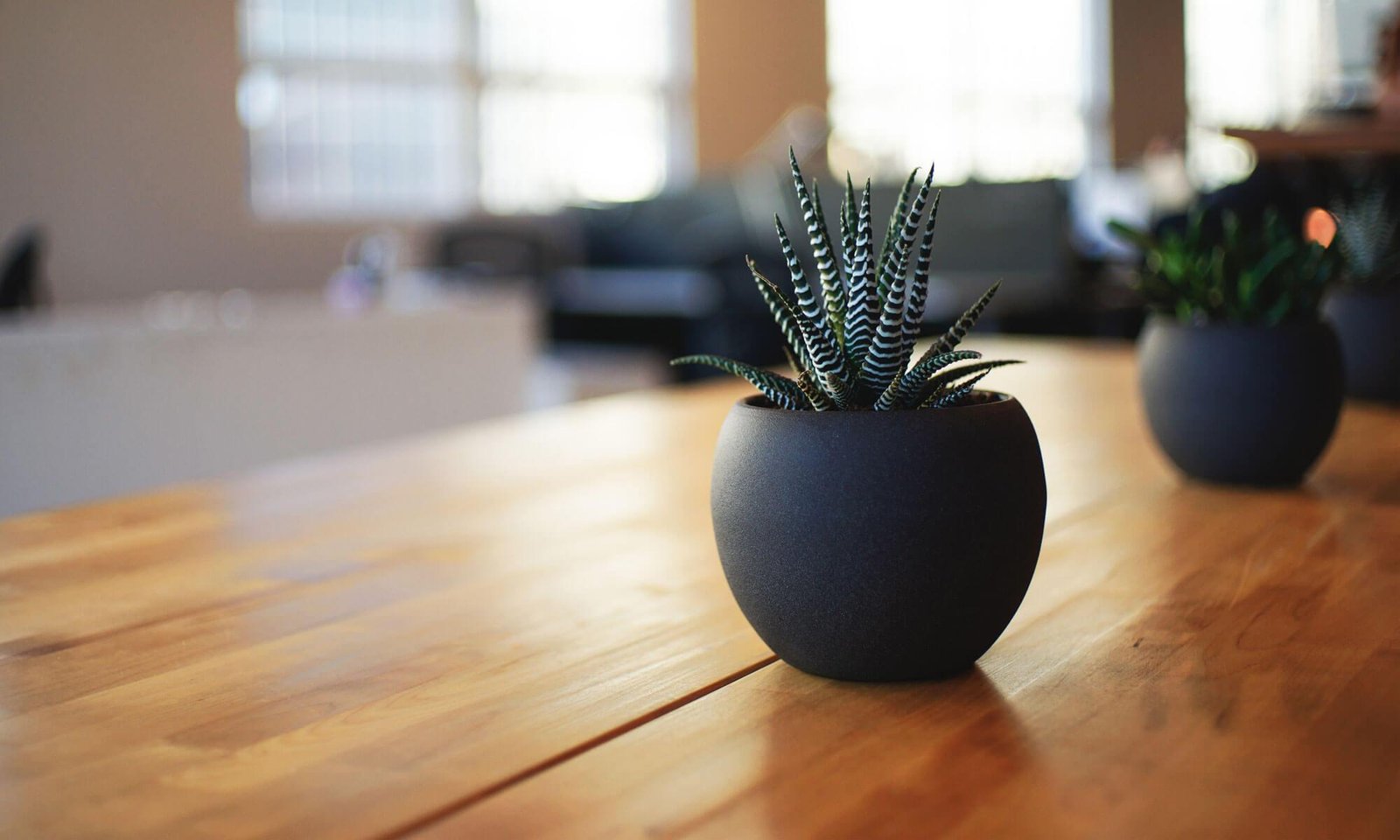
- Essential palettes and bonrush to elevate contemporary home aesthetics
- Understanding Color Psychology in Interior Design
- The Impact of Lighting on Color Perception
- Building a Contemporary Palette: Key Considerations
- The Role of Neutrals and Accent Colors
- Textural Harmony and Material Selection
- Layering Textures for Depth and Warmth
- Integrating Art and Accessories for a Personal Touch
- The Future of Home Aesthetics and Personalized Spaces
Essential palettes and bonrush to elevate contemporary home aesthetics
The pursuit of a harmonious and visually appealing home is a constant evolution. Trends shift, personal tastes refine, and the desire for spaces that feel both functional and beautiful remains. In contemporary design, achieving this balance often hinges on a carefully curated palette of colors, textures, and materials. It’s about creating an atmosphere that reflects personality and provides a sense of calm and well-being. The right choices can transform a house into a home, and one increasingly popular element contributing to this transformation is the intelligent use of color schemes and the incorporation of unique design solutions. Considering these elements is the foundation to a space that feels truly lived-in and thoughtfully designed, and even something like a well-placed accent wall can make all the difference. This brings us to a deeper exploration of how to select these palettes, and how incorporating something like a bonrush of vibrant accents can elevate the entire aesthetic.
Beyond simply choosing colors, contemporary home aesthetics demand a holistic approach. It’s not enough to select shades that are currently trending; they must complement the architectural style of the home, the natural light available, and the homeowner’s individual preferences. The interplay of light and color is critical, as is the consideration of texture and pattern. A modern space often benefits from a mix of these elements, creating depth and visual interest. Furthermore, the materials used – from flooring and furniture to artwork and accessories – play a vital role in defining the overall feel. The most successful designs are those that seamlessly integrate these various components, resulting in a cohesive and inviting environment. It's about creating a feeling, a mood, a narrative within the four walls of a home, and it all begins with intentional choices.
Understanding Color Psychology in Interior Design
Color profoundly impacts our emotions and behaviors, making it a crucial element in interior design. Warm colors like red, orange, and yellow tend to evoke feelings of energy, excitement, and optimism. They can stimulate conversation and create a lively atmosphere, making them ideal for social spaces like living rooms and dining areas. However, excessive use of warm colors can also lead to feelings of agitation or overwhelm. Conversely, cool colors such as blue, green, and purple are associated with calmness, serenity, and tranquility. These hues are well-suited for bedrooms, bathrooms, and other areas where relaxation is prioritized. The key lies in understanding these psychological effects and applying them strategically to achieve the desired ambiance within each room. Neutral tones, including shades of gray, beige, and white, serve as excellent backdrops, allowing bolder colors to shine and creating a sense of balance. They offer versatility and can be easily adapted to different styles and preferences.
The Impact of Lighting on Color Perception
The way we perceive color is heavily influenced by the quality and intensity of light. Natural light, especially daylight, tends to reveal true colors, making them appear vibrant and accurate. However, artificial lighting can significantly alter color perception. Incandescent bulbs cast a warm, yellowish glow, while fluorescent lights often produce a cooler, bluer tone. LED lighting offers a wider range of color temperatures, allowing for greater control and customization. When selecting colors for your home, it's essential to consider the type of lighting that will be used in each room. Testing paint swatches under different lighting conditions is a wise practice, as the color may appear drastically different depending on the light source. Furthermore, the direction of light and the presence of shadows can also affect how colors are perceived. A well-lit space will generally feel more open and inviting, while a dimly lit area can create a cozy and intimate atmosphere.
| Color | Psychological Effect |
|---|---|
| Blue | Calmness, serenity, trustworthiness |
| Green | Nature, growth, harmony |
| Red | Energy, excitement, passion |
| Yellow | Optimism, cheerfulness, creativity |
Understanding these nuances is important for making informed decisions that align with the desired mood and function of each space. Don’t underestimate the power of a strategically placed light fixture to completely change the dynamics of the room and the colors within it.
Building a Contemporary Palette: Key Considerations
Creating a contemporary palette is about more than just picking appealing colors; it’s about establishing a cohesive visual narrative. Start by identifying a central inspiration – this could be a piece of artwork, a favorite fabric, or even a natural landscape. From this source, extract a core color scheme of 2-3 dominant hues. These will serve as the foundation for your palette. Next, introduce complementary colors to add depth and visual interest. These are colors that sit opposite each other on the color wheel, creating a harmonious contrast. Don’t be afraid to experiment with different shades and tones within your chosen colors. For example, instead of a bright red, consider a muted terracotta or a deep burgundy. This creates a more sophisticated and nuanced effect. Consider the existing architectural elements of the space – the color of the walls, flooring, and trim – and ensure that your chosen palette complements these features. It’s often helpful to create a mood board to visualize how different colors will work together in the space. This allows you to refine your palette and make adjustments before committing to a final scheme.
The Role of Neutrals and Accent Colors
Neutrals are the unsung heroes of any successful color palette. They provide a calming backdrop that allows bolder colors to shine and create a sense of balance. Think beyond basic white and consider shades of gray, beige, and greige (a blend of gray and beige). These neutrals can add warmth and depth without overpowering the space. Accent colors are used to add pops of personality and visual interest. They should be used sparingly, strategically placed throughout the room to draw the eye and create focal points. When choosing accent colors, consider their psychological impact and how they will interact with the dominant colors in your palette. A vibrant turquoise can add a playful touch to a neutral living room, while a deep plum can create a sense of luxury in a bedroom. Remember, less is often more when it comes to accent colors. A well-chosen accent can elevate the entire space, but too many can create a cluttered and overwhelming effect.
- Prioritize functionality when choosing colors; consider how they will affect the mood of the room.
- Don't be afraid to experiment with unconventional color combinations.
- Test paint samples in different lighting conditions.
- Consider the existing architectural features of the space.
The key is to find a balance that reflects your personal style and creates a harmonious and inviting atmosphere. Often, it’s the subtle interplay between neutrals and accents that truly defines a contemporary space. Thoughtful selection of these colors can elevate the entire design.
Textural Harmony and Material Selection
Beyond color, texture plays a critical role in creating a visually rich and engaging interior. Mixing different textures – such as smooth, rough, matte, and glossy – adds depth and dimension to a space, preventing it from feeling flat or one-dimensional. Consider incorporating a variety of materials, including wood, metal, glass, fabric, and stone. Each material has its own unique texture and properties, contributing to the overall sensory experience. For example, a plush velvet sofa can be paired with a rustic wooden coffee table and a sleek metal side table, creating a dynamic contrast. Pay attention to the scale and pattern of textures. Large-scale patterns can make a space feel more expansive, while smaller patterns can add a touch of intimacy. Varying the texture of fabrics is another effective way to add visual interest. Combining different weaves, patterns, and finishes can create a layered and inviting effect. Think about the interplay between rough and smooth textures – a chunky knit blanket paired with a smooth silk throw pillow, for example. These combinations add depth and complexity to the space.
Layering Textures for Depth and Warmth
Layering textures is the art of combining different materials and finishes to create a sense of depth and warmth. Start with a neutral base layer – such as a sisal rug or painted walls – and then gradually add textures on top. This could include throws, pillows, curtains, artwork, and accessories. Don't be afraid to mix and match different textures, but always strive for a sense of balance and harmony. Consider the weight and drape of fabrics. Lightweight fabrics like linen and cotton are ideal for creating a breezy and airy feel, while heavier fabrics like velvet and wool add a sense of warmth and luxury. Pay attention to the sheen and reflectivity of materials. Matte finishes absorb light, creating a softer and more subdued effect, while glossy finishes reflect light, adding a touch of glamour and sophistication. The goal is to create a tactile and visually stimulating environment that feels both comfortable and inviting. Incorporating a bonrush of different textures can elevate the overall aesthetic, making the space feel more layered and intentional.
- Start with a neutral base.
- Add layers of texture gradually.
- Mix different materials and finishes.
- Pay attention to weight and drape.
The skillful blending of textures creates a cohesive and inviting atmosphere, making a significant impact on the overall feel of the space. It's a powerful tool for enhancing the aesthetic and making a home feel truly special.
Integrating Art and Accessories for a Personal Touch
Art and accessories are the finishing touches that transform a house into a home. They are the elements that reflect your personality and tell your story. When selecting artwork, consider the size, scale, and color scheme of the room. A large-scale piece of art can serve as a focal point, while smaller pieces can be grouped together to create a gallery wall. Choose artwork that resonates with your personal style and evokes positive emotions. Accessories should complement the overall color palette and texture scheme of the room. Think about incorporating a variety of objects, such as vases, sculptures, candles, and books. These items can add personality and visual interest, but avoid overcrowding the space. It’s better to choose a few carefully curated pieces that truly speak to you. Pay attention to the arrangement of accessories. Grouping items in odd numbers is often more visually appealing than arranging them in even numbers. Experiment with different heights and placements to create a dynamic and balanced composition. Don’t be afraid to mix and match different styles and eras. A vintage vase paired with a modern sculpture can create an interesting and unexpected contrast.
The Future of Home Aesthetics and Personalized Spaces
The trend towards personalized spaces shows no sign of slowing down. Homeowners are increasingly seeking to create environments that reflect their unique identities and lifestyles. This is driving a shift away from mass-produced, cookie-cutter designs and towards more curated and individualized aesthetics. Technology is also playing a growing role, with smart home devices and personalized lighting systems allowing for greater control and customization. We’re seeing a rise in biophilic design – incorporating natural elements like plants and natural light to create healthier and more harmonious spaces. Sustainability is also becoming a key consideration, with homeowners opting for eco-friendly materials and energy-efficient designs. The concept of ‘slow living’ – prioritizing quality over quantity and embracing a more mindful approach to consumption – is also influencing design choices. People are investing in fewer, higher-quality items that will last a lifetime. This emphasis on longevity and sustainability is reshaping the entire home décor industry.
Ultimately, the most successful contemporary home aesthetics are those that are authentic, personal, and reflective of the homeowner’s unique journey. This isn't about rigidly following trends, but rather about carefully curating a space that feels comfortable, inviting, and truly your own. It’s about creating an environment where you can relax, recharge, and express yourself freely. A carefully considered approach to color, texture, and personal touches – along with a mindful selection of elements like a well-placed focal point – will ensure that your home remains a sanctuary for years to come, a constantly evolving reflection of your life and experiences.