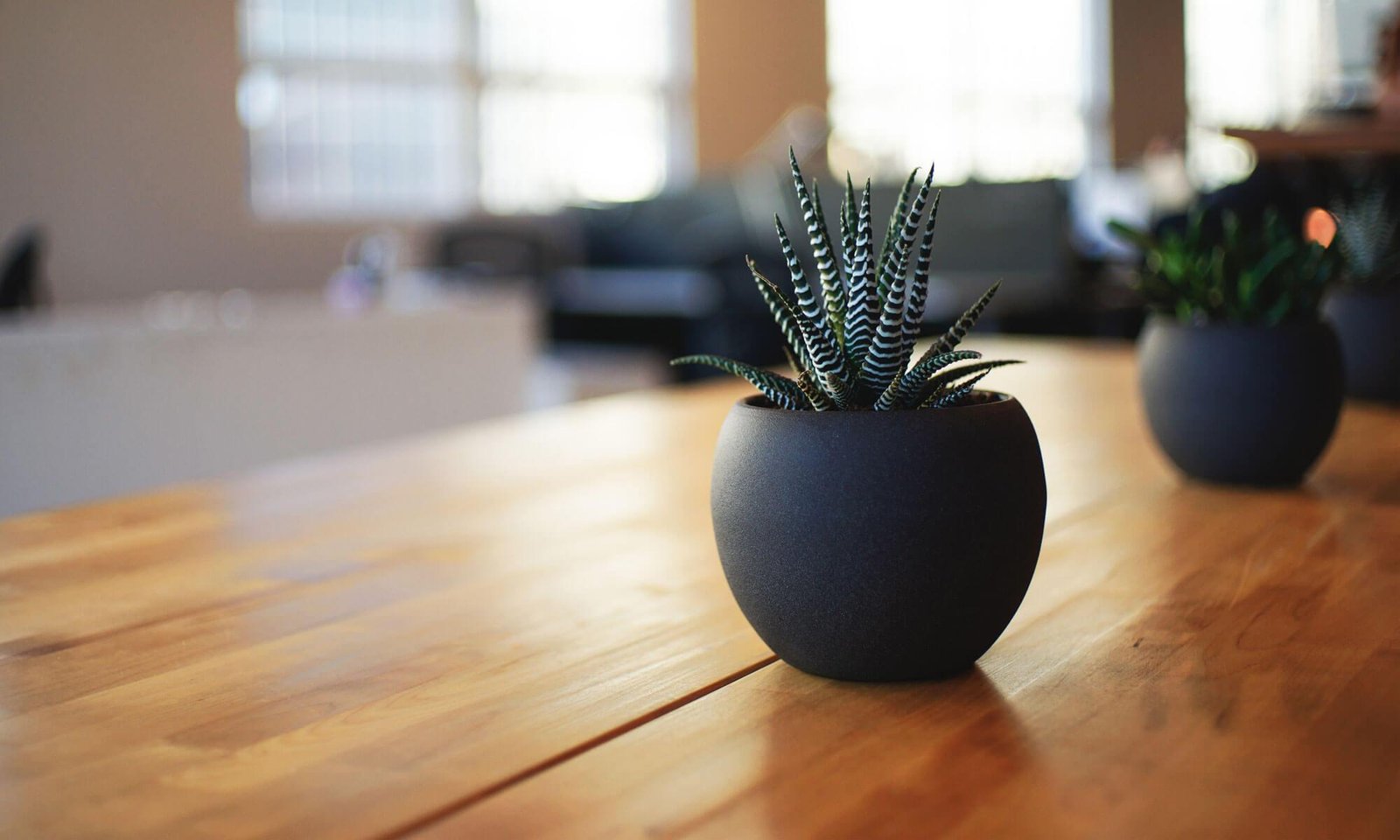
- Modern living spaces enhanced by the style of thebonrush-uk.co.uk offer unique comfort
- The Importance of Lighting in Modern Interior Design
- Choosing the Right Fixtures
- The Role of Textiles in Creating Comfort and Style
- Selecting the Right Materials
- Furniture Selection: Balancing Form and Function
- Creating a Cohesive Look
- The Importance of Personalization and Unique Accents
- Extending the Aesthetic: Outdoor Living Spaces
Modern living spaces enhanced by the style of thebonrush-uk.co.uk offer unique comfort
Creating a harmonious and stylish living space is a desire shared by many, and finding the right elements to achieve this can often feel like a complex undertaking. The pursuit of comfort, functionality, and aesthetic appeal drives homeowners and interior design enthusiasts alike to explore innovative solutions. In recent years, there’s been a growing trend towards blending modern design principles with unique, characterful pieces that reflect individual tastes and preferences. One resource gaining attention in this arena is thebonrush-uk.co.uk, a platform offering a curated selection of items designed to elevate modern living spaces. This exploration will delve into the ways in which thoughtful selections from sources like this can transform houses into homes, focusing on practical applications and design considerations.
The modern aesthetic often prioritizes clean lines, neutral colors, and a minimalist approach, but this doesn't mean spaces must feel cold or impersonal. In fact, the key to successful modern design lies in layering textures, incorporating natural materials, and adding personal touches that inject warmth and personality. These elements can range from plush rugs and comfortable throws to carefully chosen artwork and thoughtfully arranged plants. It is about creating an environment that feels both sophisticated and inviting – a sanctuary from the stresses of daily life. The right combination of pieces, chosen with intention, can create a truly unique and personalized living experience, enhancing both the functionality and the visual appeal of any home.
The Importance of Lighting in Modern Interior Design
Lighting plays a pivotal, often underestimated, role in shaping the atmosphere of a room. Beyond its functional purpose, lighting can be used to highlight architectural features, create focal points, and influence the perceived space itself. Modern interior design often incorporates a layered approach to lighting, combining ambient, task, and accent lighting to achieve a balanced and visually appealing effect. Ambient lighting, typically provided by overhead fixtures or recessed lighting, establishes the overall illumination of a room. Task lighting focuses on specific areas, such as a reading nook or kitchen countertop, providing directed light for practical activities. Accent lighting is used to draw attention to artwork, sculptures, or other decorative elements, adding depth and dimension to the space. Careful consideration of light temperature and intensity is also crucial; warmer tones tend to create a cozy and inviting atmosphere, while cooler tones can evoke a sense of spaciousness and modernity.
Choosing the Right Fixtures
The selection of lighting fixtures should complement the overall aesthetic of the room. Sleek, minimalist pendants and sconces are popular choices for modern interiors, while sculptural floor lamps and table lamps can add artistic flair. Dimmer switches are also incredibly valuable, allowing you to adjust the intensity of the light to suit different moods and activities. Furthermore, the increasing availability of smart lighting systems offers even greater control and customization, enabling you to create pre-set lighting scenes and control your lights remotely. When choosing bulbs, consider energy efficiency and longevity, opting for LED or other long-lasting options. Investing in quality lighting fixtures can significantly enhance the comfort and functionality of your living space, contributing to a more enjoyable and inviting home environment.
| Lighting Type | Function | Typical Fixtures |
|---|---|---|
| Ambient | Overall Illumination | Recessed Lighting, Chandeliers, Flush Mounts |
| Task | Focused Light for Activities | Desk Lamps, Under-Cabinet Lighting, Reading Lamps |
| Accent | Highlighting Features | Spotlights, Wall Washers, Picture Lights |
Understanding how different types of lighting interact and affect the feel of a room is vital for a successful design scheme. The interplay between different light sources can create visual interest and enhance the overall ambiance, transforming a space from merely functional to truly inviting.
The Role of Textiles in Creating Comfort and Style
Textiles are indispensable elements in interior design, possessing the power to transform a space from austere to inviting. They contribute significantly to the comfort, visual appeal, and overall ambiance of a room. From plush rugs and luxurious curtains to cozy throws and decorative pillows, textiles provide opportunities to introduce color, texture, and pattern. The key is to select fabrics that complement the overall design scheme while also catering to practical needs. For example, durable and stain-resistant fabrics are essential for high-traffic areas or homes with children and pets. When layering textiles, consider the interplay of different materials and textures; a combination of smooth silk, rough linen, and soft wool can create a visually stimulating and tactilely pleasing environment. Thinking about the seasonal changes – lighter fabrics for summer and heavier, warmer options for winter – is also crucial for optimizing comfort throughout the year.
Selecting the Right Materials
The choice of materials greatly impacts the overall feel of a space. Natural fibers like cotton, linen, and wool offer breathability, durability, and a timeless appeal. Synthetic fibers, such as polyester and acrylic, are often more affordable and stain-resistant, but may not possess the same luxurious feel as natural materials. When selecting textiles, consider the amount of natural light in the room, as this will affect how colors appear. Lighter colors can brighten a dark space, while darker colors can add drama and sophistication. Also, pay attention to the pattern scale; larger patterns are best suited for larger rooms, while smaller patterns work well in smaller spaces. Incorporating textured fabrics, such as velvet or chenille, can add depth and dimension to a room, creating a more inviting and luxurious atmosphere. Don’t underestimate the power of a well-chosen throw blanket to elevate a seating area.
- Consider the room’s purpose when selecting fabrics.
- Prioritize durability in high-traffic areas.
- Layer textures for visual interest.
- Think seasonally about fabric weight and warmth.
- Don’t be afraid to mix and match patterns.
Textiles aren’t simply functional coverings; they are integral components of a holistic design scheme, contributing to the emotional and aesthetic experience of inhabiting a space. Investing in quality textiles can greatly enhance the comfort and appeal of your home.
Furniture Selection: Balancing Form and Function
Choosing the right furniture is paramount to creating a functional and stylish living space. It’s not simply about acquiring aesthetically pleasing pieces; it’s about selecting items that meet your specific needs and complement your lifestyle. Prioritizing both form and function is crucial. Consider the size and layout of the room when selecting furniture, ensuring that pieces are appropriately scaled and don’t overwhelm the space. Opt for versatile pieces that can serve multiple purposes, such as a sofa bed for accommodating guests or an ottoman with hidden storage. The material and construction of the furniture are also important considerations. Solid wood furniture is known for its durability and timeless appeal, while metal frames offer a sleek and modern look. Upholstery should be chosen based on durability, comfort, and style, aligning with the overall aesthetic of the room. Don't be swayed by trends alone; choose pieces that you genuinely love and that will stand the test of time.
Creating a Cohesive Look
Achieving a cohesive look requires careful planning and attention to detail. Consider the overall color palette and style of the room when selecting furniture, ensuring that pieces complement each other. Mixing and matching different styles can work effectively, but it's important to do so intentionally, creating a balanced and harmonious effect. Pay attention to the proportions of furniture pieces, ensuring that they are in scale with the room and each other. Adding accessories, such as rugs, pillows, and artwork, can help to tie the room together and create a cohesive look. Staging furniture to promote conversation or particular activities is also beneficial. Take inspiration from magazines, online resources, and showrooms, but ultimately trust your own instincts and create a space that reflects your personality and lifestyle. Resources like thebonrush-uk.co.uk can provide inspiration and quality pieces to achieve this.
- Determine the room's primary purpose.
- Measure the space accurately.
- Prioritize comfort and functionality.
- Choose durable and high-quality materials.
- Create a cohesive color palette and style.
Thoughtful furniture selection, focusing on both aesthetic appeal and practical usability, is essential for crafting a living space that is both beautiful and functional.
The Importance of Personalization and Unique Accents
While adhering to design principles is important, the true heart of a home lies in the personal touches that reflect the inhabitants’ individuality. A space that feels truly lived-in and loved is one that showcases personal interests, hobbies, and memories. This can be achieved through the incorporation of unique accents, such as artwork, photographs, travel souvenirs, or handcrafted items. Don't be afraid to display items that hold sentimental value, even if they don't necessarily fit into a strict design scheme. These personal touches add character and warmth to a space, making it feel more inviting and welcoming. The key is to strike a balance between curated design and personal expression, creating a space that feels both stylish and authentic. Overcrowding a space with too many items, however, can detract from the overall aesthetic, so it's important to curate your collection carefully.
Personalization is about telling a story – your story – through the objects and elements you choose to surround yourself with. It’s about creating a space that feels like a true reflection of who you are, a sanctuary that embodies your passions and values. A well-chosen piece from thebonrush-uk.co.uk can be the starting point for building a uniquely personal aesthetic, providing a foundation upon which to layer individual style and character.
Extending the Aesthetic: Outdoor Living Spaces
The concept of “living space” increasingly extends beyond the confines of the four walls, encompassing outdoor areas such as patios, decks, and gardens. Creating a cohesive aesthetic between indoor and outdoor spaces can significantly enhance the overall living experience. Similar design principles apply to both environments – considering furniture arrangements, lighting, and the incorporation of natural elements. Outdoor furniture should be durable and weather-resistant, capable of withstanding the elements. Lighting can be used to create a warm and inviting atmosphere, extending the usability of outdoor spaces into the evening hours. Plants and greenery add life and color, creating a connection with nature. The use of outdoor rugs and cushions can further enhance comfort and style. The outdoor space should be viewed as an extension of the indoor living area, a seamless transition between the two.
Thoughtfully designed outdoor spaces provide opportunities for relaxation, entertainment, and connection with nature. They can serve as an extension of the home, offering additional living space and enhancing the overall quality of life. Creating an outdoor oasis requires careful planning and attention to detail, but the rewards – a beautiful and functional outdoor space – are well worth the effort. Considering the climate and local ecosystem when selecting plants and materials is also vital for long-term sustainability and enjoyment.