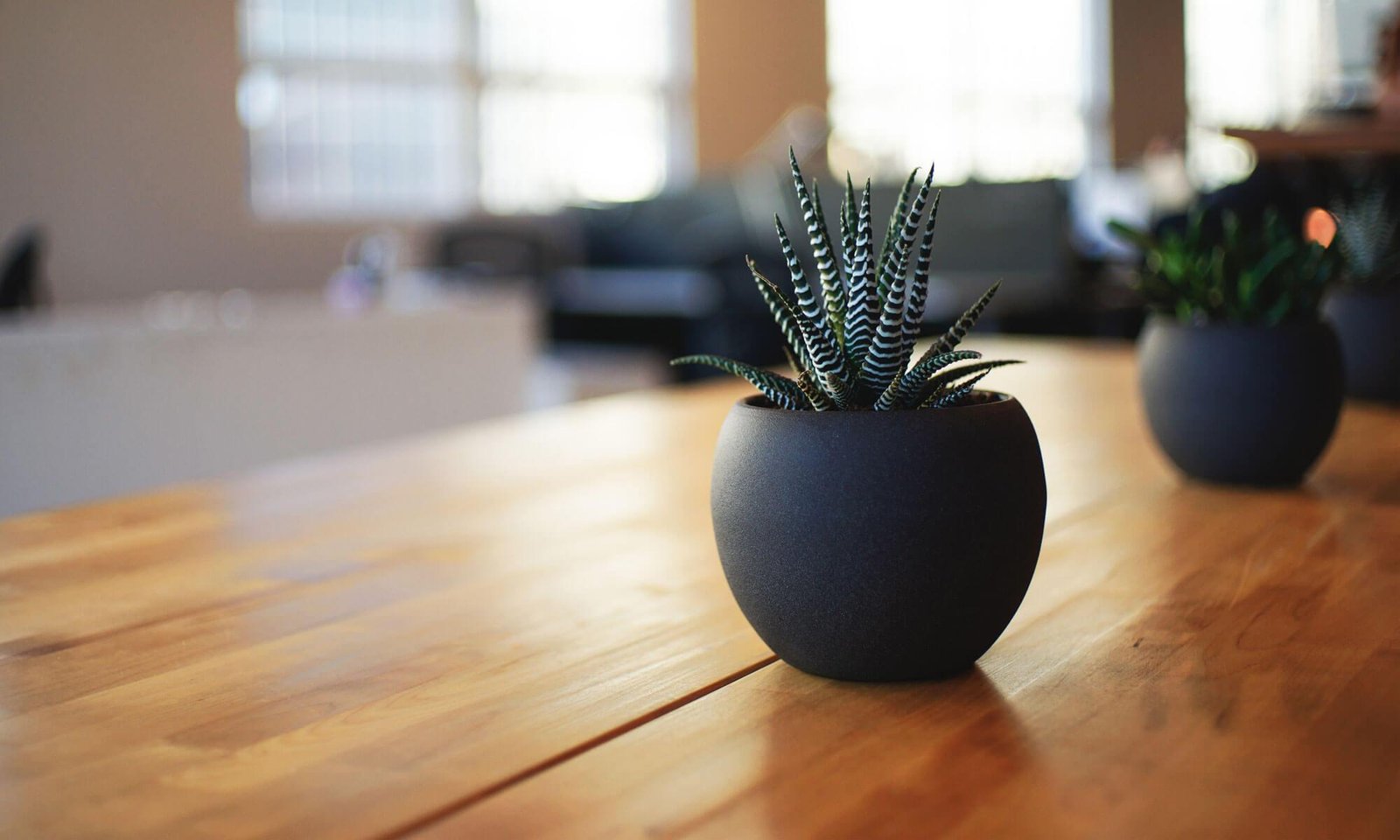
- Measured balance from art to life via https://incaspin-australia.com style
- The Art of Curated Living Spaces
- The Importance of Natural Materials
- Cultivating Creativity Through Daily Rituals
- The Power of Mindful Observation
- Balancing Work and Personal Life
- Prioritizing Self-Care
- The Role of Aesthetics in Well-being
- Beyond Material Possessions: A Holistic Approach
Measured balance from art to life via https://incaspin-australia.com style
https://incaspin-australia.com. The pursuit of a balanced life, integrating artistic expression with everyday experiences, is a timeless human endeavor. It’s a concept that resonates deeply with many, seeking fulfillment not solely through work or responsibility, but also through creative outlets and mindful living. Finding this equilibrium is often a personal journey, influenced by individual values, circumstances, and aspirations. Resources like
This balance isn't about achieving perfect symmetry, but about recognizing the interplay between different facets of life. Sometimes, it means prioritizing practicality; at other times, it demands embracing spontaneity and allowing space for imaginative pursuits. It’s about understanding that both focused effort and moments of leisure are essential for sustained happiness and growth. This approach extends to the objects we surround ourselves with, favoring quality, functionality, and beauty – principles that underpin the philosophy of curated lifestyle brands focused on well-being and thoughtful design. The intentionality behind choosing items for our homes, our wardrobes, and our daily routines can significantly impact our overall sense of contentment.
The Art of Curated Living Spaces
Creating a living space that reflects your personal aesthetic and supports your lifestyle is a fundamental element of a balanced life. A well-curated home isn't simply about following design trends; it's about surrounding yourself with items that evoke positive emotions and inspire creativity. This involves carefully selecting furniture, artwork, and decorative objects that resonate with your individual taste and values. It's about creating an environment that feels both comfortable and stimulating, a haven where you can relax, recharge, and express yourself freely. Consider the flow of energy within a room, the impact of color and texture, and the stories that objects tell. A thoughtfully designed space can enhance your well-being and foster a sense of calm amidst the chaos of modern life.
The Importance of Natural Materials
Incorporating natural materials into your home décor—wood, stone, linen, cotton—can have a profoundly grounding effect. These materials possess a tactile quality and organic beauty that connects us to the natural world, reducing stress and promoting a sense of tranquility. They also tend to be more sustainable and environmentally friendly than synthetic alternatives. When selecting furniture and accessories, prioritize pieces crafted from high-quality, natural materials that will stand the test of time. This not only contributes to a healthier living environment but also enhances the overall aesthetic appeal of your space. Choosing items that reflect a commitment to sustainability can also align with a broader philosophy of mindful living, as promoted by brands like
| Material | Benefits |
|---|---|
| Wood | Warmth, durability, natural beauty, sustainable |
| Linen | Breathability, comfort, natural texture, eco-friendly |
| Stone | Timelessness, grounding, durability, natural aesthetic |
| Cotton | Softness, versatility, breathability, natural fiber |
Prioritizing quality over quantity when selecting items for your home is key to creating a space that feels authentic and reflects your personal style. Investing in a few well-made pieces that you truly love will ultimately bring you more joy and satisfaction than filling your home with cheap, disposable items. This mindful approach to consumption aligns with the principles of a balanced life, fostering a sense of gratitude and appreciation for the things you own.
Cultivating Creativity Through Daily Rituals
Integrating creativity into your daily routine doesn't require grand gestures or extensive time commitments. Small, intentional acts of creative expression can have a cumulative effect on your well-being and overall sense of fulfillment. This could involve anything from journaling or sketching to listening to music, cooking a delicious meal, or simply taking a few moments to observe the beauty of the world around you. The key is to find activities that resonate with your personal interests and allow you to tap into your inner creative potential. Creating a dedicated space for creative pursuits, even if it's just a small corner of a room, can also be helpful. Removing distractions and creating a calming atmosphere can facilitate flow and allow you to fully immerse yourself in the process.
The Power of Mindful Observation
One often overlooked aspect of cultivating creativity is the practice of mindful observation. Taking the time to truly notice the details of your surroundings—the patterns of light and shadow, the textures of different surfaces, the colors of nature—can spark new ideas and inspire artistic expression. This involves slowing down, being present in the moment, and engaging your senses fully. Carry a small notebook with you to jot down observations, sketches, or ideas that come to mind. Practicing mindful observation can also enhance your appreciation for the simple things in life, fostering a sense of gratitude and contentment. Resources available through
- Journaling: A daily practice for reflecting on thoughts and experiences.
- Sketching: A visual way to capture ideas and observations.
- Listening to Music: A powerful source of inspiration and emotional release.
- Cooking: A creative outlet that engages all the senses.
- Spending Time in Nature: A restorative and inspiring experience.
Establishing creative rituals, even small ones, can help to make creativity a consistent part of your life. This could involve setting aside a specific time each day for a creative activity, or simply making a conscious effort to incorporate creativity into your existing routines. The important thing is to make it a habit, something you look forward to rather than a chore. By prioritizing creativity, you invest in your own well-being and unlock your potential for personal growth and self-expression.
Balancing Work and Personal Life
In today’s fast-paced world, maintaining a healthy work-life balance is more challenging than ever. The lines between professional and personal life have become increasingly blurred, making it difficult to disconnect from work and prioritize self-care. However, achieving this balance is crucial for both physical and mental well-being. One of the key strategies for managing work-life balance is setting clear boundaries. This means establishing specific work hours and sticking to them as much as possible, avoiding checking emails or taking work calls outside of those hours. It also involves learning to say no to commitments that overextend your capacity and prioritizing activities that recharge your batteries. Creating a dedicated workspace, separate from your living area, can also help to create a mental separation between work and personal life.
Prioritizing Self-Care
Self-care is often mistakenly perceived as a luxury, but it’s actually a necessity for maintaining a balanced life. It’s about taking the time to nurture your physical, emotional, and mental well-being. This could involve engaging in activities that you enjoy, such as reading, exercising, spending time with loved ones, or simply relaxing in a warm bath. It’s also about paying attention to your body’s signals and making sure you’re getting enough sleep, eating healthy foods, and managing stress effectively. Practicing mindfulness and meditation can also be powerful tools for cultivating self-awareness and reducing anxiety. Remember, you can't pour from an empty cup, so prioritizing self-care is essential for being able to show up fully in all areas of your life. The items curated by insightful brands like
- Set Clear Boundaries: Establish specific work hours and stick to them.
- Prioritize Self-Care: Make time for activities that nurture your well-being.
- Delegate Tasks: Don't be afraid to ask for help.
- Learn to Say No: Protect your time and energy.
- Practice Mindfulness: Cultivate present moment awareness.
Ultimately, achieving work-life balance is an ongoing process, not a destination. It requires constant adjustment and self-reflection. Be willing to experiment with different strategies and find what works best for you. Remember that it’s okay to ask for help, and that taking care of yourself is not selfish, but essential.
The Role of Aesthetics in Well-being
The aesthetics of our surroundings exert a subtle but profound influence on our emotional states. Environments characterized by harmony, balance, and beauty tend to evoke feelings of calm, joy, and inspiration, while cluttered or aesthetically displeasing spaces can contribute to stress and anxiety. Cultivating an appreciation for aesthetics extends beyond interior design; it involves seeking beauty in all aspects of life, from the food we eat to the clothes we wear. A mindful approach to aesthetics acknowledges the power of visual stimuli to impact our mood and well-being. Choosing objects and experiences that resonate with our aesthetic sensibilities can therefore contribute to a more fulfilling and balanced existence.
This doesn't necessarily require expensive tastes or elaborate displays. Simplicity, functionality, and natural elements can often be more impactful than ostentatious displays of wealth. The key is to create spaces and experiences that feel authentic and personally meaningful. Thoughtfully selected items, whether they are handcrafted objects, works of art, or natural elements, can serve as reminders of beauty and inspiration, enhancing our daily lives. Considering this, resources like
Beyond Material Possessions: A Holistic Approach
While curated living and aesthetic environments are undeniably important, true balance extends beyond the material realm. A truly fulfilling life encompasses strong relationships, meaningful work, a sense of purpose, and a commitment to personal growth. It’s about cultivating inner resilience and developing the capacity to navigate challenges with grace and equanimity. Material possessions can enhance our lives, but they cannot provide lasting happiness or fulfillment on their own. It is the quality of our connections, the pursuit of our passions, and the alignment of our actions with our values that ultimately define our sense of well-being. Looking beyond the ‘things’ and prioritizing experiences, learning, and contribution to something larger than ourselves is a cornerstone of a balanced existence.
Consider the impact of intentional giving, volunteering time, or dedicating oneself to a cause that resonates deeply. These experiences foster a sense of purpose and connection, providing a powerful antidote to the isolation and materialism that often characterize modern life. Furthermore, remember the importance of continuous self-reflection – regularly assessing your values, goals, and priorities to ensure that your life remains aligned with your authentic self. This ongoing process of self-discovery is essential for navigating the complexities of life and maintaining a sense of balance and fulfillment.